Sure, can finger joint boards be used for garden sheds? As a finger joint board supplier, I've been asked this question quite a few times. And I'm here to give you a straight - up answer along with a detailed breakdown.
Let's start with what finger joint boards are. Essentially, finger joint boards are made by joining short pieces of wood end - to - end using a interlocking “finger” shape. This type of joint significantly increases the length of the board while maintaining strength and stability. They're created with precision and use advanced techniques to ensure durability.
Advantages of Using Finger Joint Boards for Garden Sheds
1. Cost - Efficiency
One of the biggest perks of choosing finger joint boards for your garden shed is the cost. In general, they're more budget - friendly than solid wood boards. Since they're made from smaller pieces of wood, manufacturers can make use of wood that might otherwise go to waste. This efficient use of raw materials translates to savings for you. If you're on a tight budget but still want a quality garden shed, finger joint boards are a great option.
2. Uniformity
Finger joint boards offer a consistent and uniform appearance. Unlike natural wood, which can have variations in color, grain, and texture, these boards are engineered to be more consistent. This gives your garden shed a clean and professional look. Whether you're going for a modern or traditional style, the uniformity of finger joint boards can complement your design choices.
3. Strength and Stability
The finger joint design provides excellent strength. The interlocking fingers distribute stress evenly across the board, reducing the risk of cracking or warping. This is especially important for a garden shed, which is exposed to various weather conditions. Rain, snow, and strong winds can put a lot of pressure on the shed's structure, and finger joint boards can handle it well.
4. Availability of Different Wood Types
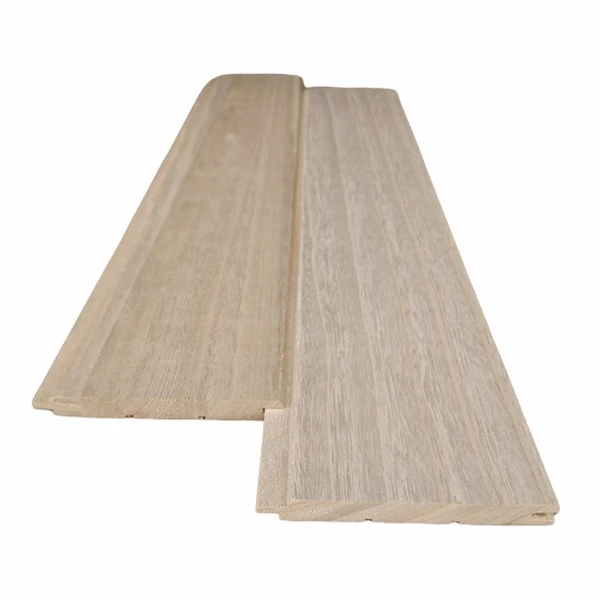
We offer a variety of wood types for our finger joint boards. For example, our Rubber Finger Joint Wood Board is known for its durability and resistance to decay. Rubber wood is a popular choice for outdoor applications because it can withstand moisture and insects relatively well. Another option is our Paulownia Wall Panel. Paulownia wood is lightweight yet strong, making it easy to work with during the construction of your garden shed.

Potential Drawbacks
1. Moisture Sensitivity
Although some finger joint boards are treated to resist moisture, they're still more sensitive to water compared to some other materials. If the shed is not properly sealed or protected from the elements, the boards can absorb water, leading to swelling, warping, and eventually, rot. However, with proper maintenance and waterproofing, this issue can be mitigated.
2. Limited Aesthetic for Some
If you're a fan of the natural, rustic look of solid wood, finger joint boards might not be the best fit. The joinery can be visible, and the engineered appearance may not have the same charm for those seeking a more organic aesthetic. But for many people, the benefits of cost and durability outweigh the aesthetic concerns.
Installation Considerations
When installing finger joint boards for your garden shed, there are a few things to keep in mind. First, make sure the surface where you're installing the boards is clean and level. Any unevenness can cause stress on the boards and lead to problems down the line.
Second, use the right fasteners. Screws are generally a better option than nails because they provide stronger holding power. Also, be careful not to overdrive the fasteners, as this can damage the boards.
Lastly, apply a good quality waterproof coating. This will help protect the boards from moisture and extend their lifespan. There are many types of waterproof coatings available, so choose one that's suitable for outdoor wood.
Comparing Finger Joint Boards with Other Materials
1. Solid Wood
Solid wood is often seen as the gold standard for garden sheds. It has a beautiful natural look and can last a long time if properly maintained. However, it's also much more expensive than finger joint boards. Solid wood is also more prone to warping and cracking due to changes in moisture levels. Finger joint boards, on the other hand, offer a more cost - effective alternative with better dimensional stability in most cases.
2. Plywood
Plywood is another common material for garden sheds. It's strong and relatively inexpensive. But plywood can delaminate over time, especially if exposed to moisture. Finger joint boards have a more robust structure thanks to the interlocking fingers, which makes them less likely to delaminate. Additionally, finger joint boards can give a more finished look compared to plywood.
3. Plastic or Metal
Plastic and metal sheds are low - maintenance options. They don't rot or rust easily. However, they lack the natural warmth and aesthetic appeal of wood. Finger joint boards provide a more traditional and inviting look for your garden, and they can be customized more easily to fit your specific design requirements.
Our Product Range
As a supplier, we take pride in offering high - quality finger joint boards. Our Rubber Wood Finger Joint Boards are sourced from sustainable rubber tree plantations. We ensure that the boards go through strict quality control measures before they reach you.
We also offer different sizes and thicknesses to meet the diverse needs of our customers. Whether you're building a small storage shed or a large workshop, we have the right finger joint boards for you.
Conclusion
So, can finger joint boards be used for garden sheds? Absolutely! They offer a great combination of cost - efficiency, strength, and versatility. While they do have some potential drawbacks, with proper installation and maintenance, they can be a fantastic choice for your garden shed project.
If you're interested in using finger joint boards for your garden shed or have any questions about our products, don't hesitate to reach out. We're here to help you make the right decision and provide you with the best materials for your project. Let's get your garden shed built and make your outdoor space even more functional and beautiful.
References
- Wood Handbook: Wood as an Engineering Material. Forest Products Laboratory.
- Outdoor Wood Structures: Design, Construction, and Maintenance. Various authors.