As a provider of paulownia coffin wood, I've witnessed firsthand the unique properties that make this wood an ideal choice for coffin-making. Paulownia wood is known for its lightness, strength, and beautiful grain, but like any natural material, it needs proper treatment to prevent damage and ensure a long - lasting product. In this blog, I'll share some effective ways to treat paulownia coffin wood to maintain its quality.
1. Drying the Wood Correctly
The first and most crucial step in treating paulownia coffin wood is proper drying. Green paulownia wood contains a high amount of moisture, which can lead to issues such as warping, cracking, and decay. If the wood dries too quickly, it can develop surface checks and internal stresses. On the other hand, if it dries too slowly, it may become susceptible to fungal growth.
A common method is air - drying. Stack the paulownia boards in a well - ventilated area, with stickers between each layer to allow air to circulate. The stickers should be straight and of uniform thickness. This process can take several months, depending on the thickness of the boards and the environmental conditions.
For a more efficient and controlled drying process, kiln - drying can be used. Kiln - drying can reduce the moisture content of the wood to the desired level (usually around 12 - 15%) in a relatively short period. However, it requires careful monitoring of temperature, humidity, and air circulation to prevent damage to the wood during the drying process. You can find high - quality paulownia boards for further drying at Paulownia Lumber Board.
2. Applying Preservatives
Once the wood is properly dried, applying preservatives can significantly enhance its resistance to decay, insects, and fungi. There are various types of wood preservatives available on the market, and the choice depends on the specific requirements and the intended use of the coffin.
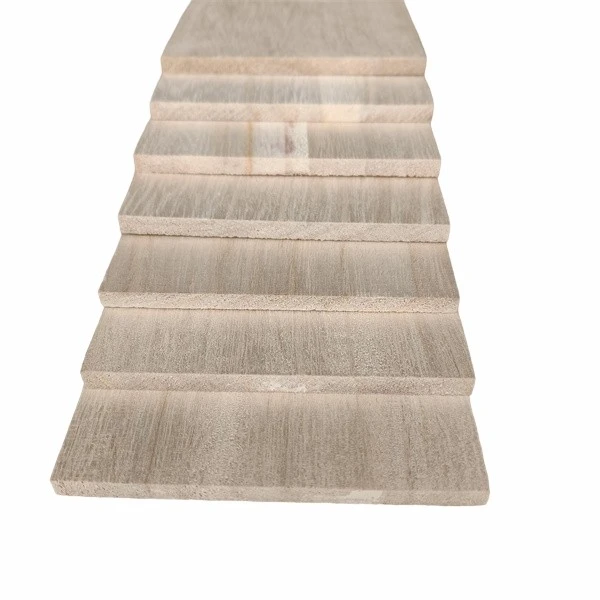

- Chemical Preservatives: These are often the most effective in providing long - term protection. Copper - based preservatives, such as copper azole (CA) and alkaline copper quaternary (ACQ), are commonly used. They penetrate the wood fibers and create a barrier against decay - causing organisms. However, it's important to follow the safety guidelines when using chemical preservatives, as they can be toxic if handled incorrectly.
- Natural Preservatives: For those who prefer a more eco - friendly option, natural preservatives can be used. Oils like linseed oil and tung oil can be applied to the wood surface. These oils penetrate the wood, providing a certain degree of water resistance and protection against minor damage. They also enhance the natural beauty of the paulownia wood, giving it a warm, rich color.
3. Sealants and Finishes
Sealing the paulownia coffin wood is essential to prevent moisture from penetrating the wood and causing damage. After applying the preservative, a high - quality sealant should be used.
- Polyurethane Sealants: Polyurethane is a popular choice for sealing wood. It provides a hard, durable finish that is resistant to water, scratches, and chemicals. There are two types of polyurethane: oil - based and water - based. Oil - based polyurethane gives a richer, warmer color, while water - based polyurethane dries faster and has less odor.
- Lacquer Finishes: Lacquer is another option for finishing paulownia coffin wood. It dries quickly and provides a smooth, glass - like finish. Lacquer comes in various sheens, from high - gloss to satin, allowing you to choose the look that best suits your needs. Visit 27mm Paulownia Solid Wood Board For Coffins Paulownia Edge Glued Panels to get suitable boards for applying these finishes.
4. Protection during Storage and Transportation
Even after the wood has been treated, it needs proper protection during storage and transportation.
- Storage: Store the treated paulownia coffin wood in a dry, well - ventilated area. Avoid exposing it to direct sunlight for extended periods, as this can cause the wood to fade and become brittle. Stack the boards on a flat surface to prevent warping.
- Transportation: When transporting the wood, use proper packaging to protect it from scratches, impacts, and moisture. Wrap the boards in protective materials and secure them in a way that prevents movement during transit.
5. Regular Inspections and Maintenance
Once the coffin is made from the treated paulownia wood, regular inspections and maintenance are necessary to ensure its long - term durability.
- Inspections: Periodically check the coffin for any signs of damage, such as cracks, warping, or discoloration. If any issues are detected early, they can be addressed before they become more serious.
- Maintenance: Depending on the finish used, the coffin may need occasional cleaning and re - application of the sealant. For example, if a natural oil finish was used, it may need to be reapplied every few years to maintain its moisture resistance.
6. Special Considerations for Paulownia Wood in Coffin - making
Paulownia wood has some unique characteristics that need to be considered during the treatment process.
-
Softness: Paulownia is a relatively soft wood compared to some other hardwoods. This means it is more prone to scratches and dents. When treating the wood, extra care should be taken to protect its surface. For example, use a soft - bristle brush when applying finishes to avoid scratching the wood.
-
Grain Pattern: The beautiful grain pattern of paulownia wood is one of its selling points. However, it can also affect the absorption of preservatives and finishes. Areas with a more open grain may absorb more product, while areas with a tighter grain may require additional applications.
-
Color Changing: Paulownia wood may change color over time, especially when exposed to light. To minimize color change, use finishes that provide UV protection or store the coffin in a dark place when not in use.
We also offer Paulownia Wood Taekwondo Board, which showcases the versatility of paulownia wood. Whether you are in the coffin - making industry or other related fields, our high - quality paulownia wood products can meet your needs.
In conclusion, treating paulownia coffin wood to prevent damage involves a series of steps, from proper drying to regular maintenance. By following these guidelines, you can ensure that your paulownia coffins are of the highest quality and last for a long time. If you are interested in purchasing our paulownia coffin wood or have any questions about its treatment, please feel free to contact us for a detailed discussion. We are committed to providing you with the best products and professional advice.
References
- "Wood Drying Handbook", Forest Products Laboratory
- "The Woodworker's Guide to Finishing", Bob Flexner
- "Wood Preservatives: Principles, Properties, and Applications", R. Bruce Hoadley