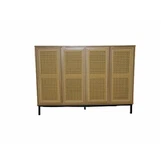
Tung wood, also known as Paulownia wood, has gained significant popularity in various industries due to its unique properties. As a supplier of tung wood boards, I often receive inquiries from customers about the ease of gluing tung wood boards. In this blog post, I will delve into the factors that influence the gluing process of tung wood boards and provide insights based on my experience in the industry.
Characteristics of Tung Wood
Tung wood is renowned for its light weight, high strength - to - weight ratio, and excellent natural resistance to decay. It has a straight grain and a relatively uniform texture, which makes it an attractive material for a wide range of applications, including furniture making, cabinetry, and even the production of musical instruments. The low density of tung wood, typically ranging from 250 - 350 kg/m³, is one of its most distinctive features. This low density not only makes the wood easy to handle but also affects its interaction with adhesives.


Factors Affecting the Gluing of Tung Wood Boards
Moisture Content
Moisture content is a critical factor in the gluing process of any wood, and tung wood is no exception. The ideal moisture content for gluing tung wood boards is between 8% - 12%. If the moisture content is too high, the adhesive may not cure properly, leading to weak bonds. High moisture can also cause the wood to warp or shrink over time, further compromising the integrity of the glued joint. On the other hand, if the moisture content is too low, the wood may absorb the adhesive too quickly, preventing it from spreading evenly and creating a strong bond.
To ensure the appropriate moisture content, it is essential to store tung wood boards in a controlled environment. Before gluing, it is advisable to measure the moisture content using a moisture meter. If the wood is too wet, it can be dried in a well - ventilated area or a kiln. If it is too dry, it may need to be conditioned by exposing it to a humid environment for a certain period.
Surface Preparation
Proper surface preparation is crucial for successful gluing. The surface of the tung wood board should be clean, smooth, and free of any dirt, dust, or oils. Rough or uneven surfaces can prevent the adhesive from making full contact with the wood, resulting in a weaker bond. Sanding the surface of the wood with fine - grit sandpaper can help create a smooth and uniform surface for the adhesive to adhere to.
It is also important to remove any loose fibers or splinters from the surface. A clean cloth or a vacuum cleaner can be used to remove dust after sanding. Additionally, if the wood has been treated with any chemicals or finishes, these should be removed before gluing to ensure good adhesion.
Adhesive Selection
The choice of adhesive plays a vital role in the gluing process of tung wood boards. Different adhesives have different properties, and the selection should be based on the specific application and the requirements of the project.
- Polyvinyl Acetate (PVA) Glue: PVA glue is a popular choice for gluing tung wood boards, especially for indoor applications. It is easy to use, dries clear, and provides a strong bond. PVA glue is suitable for joining flat surfaces and is often used in furniture making and woodworking projects.
- Epoxy Resin: Epoxy resin is a high - strength adhesive that is resistant to water, heat, and chemicals. It is ideal for applications where a strong and durable bond is required, such as in outdoor furniture or structural components. Epoxy resin can fill gaps and is more forgiving of minor surface irregularities compared to PVA glue.
- Urea - Formaldehyde Glue: Urea - formaldehyde glue is commonly used in the wood industry for manufacturing plywood and particleboard. It has good bonding strength and is relatively inexpensive. However, it releases formaldehyde gas during the curing process, which can be a health concern, especially in indoor environments.
Ease of Gluing Tung Wood Boards
Overall, tung wood boards can be glued relatively easily compared to some other types of wood. The straight grain and uniform texture of tung wood make it easier for the adhesive to spread evenly and form a strong bond. The low density of the wood also means that it does not require excessive pressure during the gluing process.
When the moisture content, surface preparation, and adhesive selection are properly managed, the gluing process can be straightforward. For example, using PVA glue on well - prepared tung wood boards with the right moisture content can result in a strong and long - lasting bond. The glue spreads easily on the smooth surface of the wood, and the curing process is relatively quick.
Applications of Glued Tung Wood Boards
The ability to glue tung wood boards easily opens up a wide range of applications.
- Furniture Making: Glued tung wood boards can be used to make various types of furniture, such as tables, chairs, and cabinets. The light weight of the wood makes the furniture easy to move around, while the glued joints provide the necessary strength and stability.
- Cabinetry: Tung wood boards are often used in cabinetry due to their attractive appearance and ease of working. Glued joints ensure that the cabinets are durable and can withstand daily use.
- Coffin Making: Paulownia Coffin Board is another important application. The ability to glue the boards together allows for the construction of well - structured and aesthetically pleasing coffins.
- Musical Instruments: Some musical instrument makers use tung wood for its unique acoustic properties. Glued joints are essential in the construction of instruments such as guitars and violins to ensure proper resonance and stability.
Our Tung Wood Board Products
As a supplier, we offer a variety of tung wood board products, including Solid Paulownia Wood Board and Paulownia Solid Wood Strips. Our products are carefully selected and processed to ensure high quality and consistent performance in gluing applications.
We source our tung wood from sustainable forests, ensuring that our products are environmentally friendly. Our team of experts is also available to provide technical support and advice on the gluing process, including the selection of the right adhesive and surface preparation techniques.
Conclusion
In conclusion, tung wood boards can be glued easily when the appropriate factors are considered. Proper moisture content, surface preparation, and adhesive selection are key to achieving strong and durable glued joints. The ease of gluing tung wood boards makes it a versatile material for a wide range of applications.
If you are interested in purchasing our tung wood board products for your projects, we invite you to contact us for further information and to discuss your specific requirements. We look forward to working with you and providing you with high - quality tung wood boards that meet your needs.
References
- "Wood Handbook: Wood as an Engineering Material", Forest Products Laboratory, United States Department of Agriculture.
- "Adhesives in Wood Bonding", edited by R.M. Rowell, J.R. Schultz, and T.M. Breese.
- Industry research reports on tung wood and wood gluing technology.