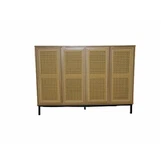
As a supplier of paulownia wall panels, I've witnessed firsthand how these remarkable products perform in various climates. Paulownia wood, known for its unique properties, offers distinct advantages and challenges depending on the environmental conditions. In this blog, I'll delve into how paulownia wall panels fare in different climates, providing insights for potential buyers and enthusiasts.
Tropical Climates
Tropical regions are characterized by high temperatures and humidity levels throughout the year. In such climates, the porous nature of paulownia wood can be both a blessing and a curse. On one hand, the wood's porosity allows it to absorb and release moisture, helping to regulate indoor humidity levels. This can create a more comfortable living environment by reducing the risk of mold and mildew growth.
However, excessive humidity can also cause the wood to swell and warp if not properly treated. To mitigate this issue, our paulownia wall panels are treated with advanced moisture-resistant coatings that prevent water penetration and ensure dimensional stability. Additionally, proper installation techniques, such as leaving expansion gaps between panels, can accommodate the natural movement of the wood due to changes in humidity.
Despite these precautions, it's important to note that in extremely humid conditions, regular maintenance may be required to keep the panels in optimal condition. This may include periodic cleaning and inspection for signs of moisture damage. Overall, when installed and maintained correctly, paulownia wall panels can perform well in tropical climates, adding a touch of natural beauty to any space.
Arid Climates
In arid regions, the main challenge for wall panels is the low humidity and high temperature. Paulownia wood, being a natural material, can dry out and shrink in these conditions, leading to cracks and gaps between the panels. To address this issue, our panels are pre-conditioned to ensure they are stable in low-humidity environments.
We also recommend using a high-quality sealant to protect the wood from drying out and to prevent dust and dirt from accumulating in the pores. This not only enhances the appearance of the panels but also extends their lifespan. Additionally, proper insulation can help to regulate the temperature inside the building, reducing the stress on the wall panels.
In arid climates, paulownia wall panels can provide excellent insulation, helping to keep the interior cool during the hot days and warm during the cold nights. Their lightweight nature also makes them easy to install, reducing labor costs and installation time. With the right precautions and maintenance, paulownia wall panels can be a great choice for arid regions.
Temperate Climates
Temperate climates, with their moderate temperatures and humidity levels, are generally considered ideal for paulownia wall panels. In these regions, the wood can maintain its natural properties without being subjected to extreme conditions. The panels can be installed without the need for extensive moisture or temperature control measures, making them a convenient and cost-effective option.
However, even in temperate climates, seasonal changes can still affect the performance of the wall panels. During the rainy season, for example, it's important to ensure that the panels are properly sealed to prevent water damage. In the winter, when the temperature drops, the wood may contract slightly, so it's important to leave some expansion space during installation.
Overall, paulownia wall panels perform well in temperate climates, offering a beautiful and durable solution for interior wall cladding. Their natural aesthetic and versatility make them a popular choice for both residential and commercial applications.
Comparison with Other Wood Panels
When considering wall panels, it's important to compare paulownia with other types of wood. Poplar Finger Joint Splicing Wood and Pine Finger Joint Board Manufacturer are two common alternatives.
Poplar is a hardwood that is known for its strength and durability. However, it is also more dense and heavy than paulownia, which can make it more difficult to install. Additionally, poplar is more prone to warping and cracking in humid conditions.
Pine is a softwood that is widely used for construction and furniture. It is relatively inexpensive and easy to work with, but it is also less durable than paulownia and more susceptible to damage from insects and moisture.
In comparison, paulownia offers a unique combination of strength, lightness, and moisture resistance. It is also more sustainable than many other types of wood, as paulownia trees grow quickly and require less water and fertilizer.
Conclusion
In conclusion, paulownia wall panels offer a versatile and durable solution for interior wall cladding in a variety of climates. Their unique properties make them suitable for tropical, arid, and temperate regions, provided that proper installation and maintenance procedures are followed.
As a supplier of Paulownia Wall Panel, I am confident in the quality and performance of our products. We use only the highest quality paulownia wood and employ advanced manufacturing techniques to ensure that our panels meet the highest standards of excellence.
If you are interested in learning more about our paulownia wall panels or would like to discuss your specific requirements, please don't hesitate to contact us. We would be happy to provide you with more information and assist you in making the right choice for your project.


References
- "Wood Handbook: Wood as an Engineering Material." Forest Products Laboratory.
- "The Properties and Uses of Paulownia Wood." Journal of Wood Science.