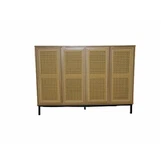
Hey there! As a carbonized solid wood supplier, I often get asked how carbonized solid wood stacks up against reclaimed wood. It's a fair question, and today, I'm gonna break it down for you.
Let's start with a quick overview of what these two types of wood are. Carbonized solid wood is created through a process called thermal modification. In this process, the wood is heated to high temperatures in a low - oxygen environment. This changes the wood's structure at a molecular level, making it more stable, durable, and resistant to things like rot and insects.
On the other hand, reclaimed wood is wood that has been salvaged from old buildings, barns, factories, or other structures. It has a lot of character because it's been through years, if not decades, of use.
Appearance
When it comes to appearance, both carbonized solid wood and reclaimed wood have their unique charm. Carbonized solid wood usually has a uniform color. The carbonization process darkens the wood, giving it a rich, warm tone that can range from a light honey - brown to a deep chocolate color. This consistent color makes it a great choice for modern and minimalist designs where a clean, sleek look is desired.
Reclaimed wood, however, is all about character and history. It often has nail holes, knots, and other signs of wear and tear. These imperfections tell a story and add a rustic, vintage feel to any space. If you're going for a farmhouse, industrial, or shabby - chic style, reclaimed wood is hard to beat.


For example, if you're looking to create a modern kitchen with a contemporary feel, carbonized solid wood cabinets would give you a smooth, elegant look. But if you're designing a cozy living room with a rustic vibe, reclaimed wood beams or a reclaimed wood coffee table would be the perfect addition.
Durability
Durability is a crucial factor when choosing wood for any project. Carbonized solid wood scores high in this department. The thermal modification process makes the wood more stable and less likely to warp, shrink, or swell with changes in humidity and temperature. It also has increased resistance to fungi and insects, which means it can last a long time, even in outdoor applications.
Reclaimed wood can also be very durable, especially if it's from a well - built old structure. However, because it's already been used, it may have some hidden damage or weaknesses. For instance, the wood could have been exposed to moisture over the years, leading to rot or decay in some areas. You need to carefully inspect reclaimed wood before using it to ensure its structural integrity.
Let's say you're building an outdoor deck. Carbonized solid wood would be a great option because it can withstand the elements without deteriorating quickly. But if you're using reclaimed wood for an indoor bookshelf, as long as you've checked it thoroughly for any issues, it can also serve you well for many years.
Sustainability
Sustainability is a hot topic these days, and both carbonized solid wood and reclaimed wood have their sustainable aspects. Carbonized solid wood is often sourced from well - managed forests. The carbonization process uses heat, which is a relatively clean energy source compared to some chemical treatments. By using carbonized solid wood, you're supporting responsible forestry practices and reducing the need for harmful chemicals in wood treatment.
Reclaimed wood is the ultimate in sustainability. By salvaging and reusing wood that would otherwise end up in a landfill, you're reducing the demand for newly harvested timber. It's a great way to give old wood a second life and minimize your environmental impact.
If you're an eco - conscious consumer, you might be torn between the two. But in the end, it depends on your priorities. If you want a wood that's sustainably sourced from the start and has enhanced properties, carbonized solid wood is a good choice. If you're all about recycling and giving old materials a new purpose, reclaimed wood is the way to go.
Cost
Cost is always a consideration when choosing building materials. Carbonized solid wood can be more expensive than regular wood because of the additional processing involved in the carbonization. However, compared to some high - end reclaimed wood, it can be more budget - friendly.
Reclaimed wood prices can vary widely. Rare or antique reclaimed wood can be extremely costly because of its uniqueness and historical value. But you can also find more affordable reclaimed wood options, especially if you're willing to do some searching and perhaps do a bit of restoration work yourself.
For a small DIY project, you might be able to find some affordable reclaimed wood at a local salvage yard. But for a large - scale commercial project, carbonized solid wood might be a more cost - effective choice in the long run, considering its durability and low maintenance requirements.
Versatility
Both types of wood are quite versatile, but in different ways. Carbonized solid wood can be used in a wide range of applications, from flooring and wall panels to furniture and decking. It can be cut, shaped, and finished just like regular wood, and its uniform appearance makes it easy to match with other materials. Check out our Poplar Wood Wall Panel and Poplar Wood Panels for some great examples of how carbonized solid wood can be used in interior design.
Reclaimed wood is also very versatile, but it's often used in more decorative or statement - making applications. It's great for accent walls, feature pieces of furniture like a reclaimed wood headboard, or unique architectural elements. You can also use it for Poplar Lumber Furniture Parts to add a touch of vintage charm to your creations.
Maintenance
Maintenance is another aspect to consider. Carbonized solid wood is relatively low - maintenance. It doesn't require the same level of chemical treatments as regular wood because of its natural resistance to rot and insects. A simple cleaning with a mild soap and water solution is usually enough to keep it looking good.
Reclaimed wood, on the other hand, may require more attention. If it has been exposed to the elements or has some signs of wear, it might need to be sanded, stained, or sealed to protect it and enhance its appearance. You also need to be careful when cleaning reclaimed wood to avoid damaging its delicate surface.
So, which one should you choose? Well, it really depends on your project, your style preferences, your budget, and your sustainability goals. If you're looking for a modern, durable, and low - maintenance option, carbonized solid wood is a great choice. If you want a rustic, one - of - a - kind look and don't mind putting in a bit more effort for maintenance, reclaimed wood could be the way to go.
If you're interested in learning more about carbonized solid wood or are thinking about using it for your next project, I'd love to chat with you. Whether you're a homeowner, a designer, or a contractor, I can provide you with all the information you need and help you make the right choice. Just reach out, and we can start a conversation about how carbonized solid wood can bring your vision to life.
References
- "Wood Handbook: Wood as an Engineering Material." Forest Products Laboratory, U.S. Department of Agriculture.
- "Thermal Modification of Wood: A Review." Journal of Wood Science.
- "Reclaimed Wood: History, Sustainability, and Applications." Woodworking Magazine.