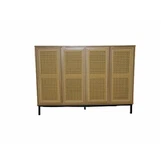
When it comes to selecting high - quality bleached tung wood boards, there are numerous factors that need to be taken into account. As a seasoned bleached tung wood board supplier, I've had the privilege of witnessing firsthand the diverse needs of our clients and the importance of making informed choices. In this blog post, I'll share some essential tips and insights to help you choose the best bleached tung wood boards for your projects.
Understanding the Basics of Bleached Tung Wood Boards
Before delving into the selection process, it's crucial to understand what bleached tung wood boards are. Tung wood, also known as paulownia wood, is renowned for its light weight, high strength - to - weight ratio, and excellent acoustic properties. Bleaching the tung wood enhances its aesthetic appeal by giving it a more uniform and lighter color, making it suitable for a wide range of applications, from furniture manufacturing to interior decoration.
Appearance and Color Consistency
One of the first things you should look for in a bleached tung wood board is its appearance. The board should have a smooth and even surface with minimal knots, cracks, or other visible defects. A high - quality bleached tung wood board will have a consistent color throughout, without any noticeable streaks or discolorations.
Color is an important aspect, especially if you're using the boards for a project where aesthetics play a significant role. For example, if you're making white - colored furniture, you'll want a board with a pure, bright white color. Our bleached tung wood boards are carefully processed to ensure a uniform and appealing color that meets the highest standards.
Moisture Content
Moisture content is another critical factor when choosing bleached tung wood boards. Wood that has too much moisture can warp, crack, or develop mold over time, while wood that is too dry can become brittle and prone to splitting.
The ideal moisture content for bleached tung wood boards used in indoor applications is typically between 8% and 12%. Our boards are carefully dried and monitored to ensure that they fall within this optimal range. You can use a moisture meter to check the moisture content of the boards before purchasing. This simple tool can help you avoid potential problems down the road.
Density and Strength
The density of the bleached tung wood board affects its strength and durability. Generally, a higher - density board will be stronger and more resistant to wear and tear. However, it's important to note that tung wood is a relatively light - weight wood compared to some other hardwoods.
When evaluating the strength of the board, consider the intended use. For example, if you're using the board for a load - bearing structure, you'll need a board with sufficient strength. Our bleached tung wood boards are engineered to provide a good balance between light weight and strength, making them suitable for a variety of applications.
Glue Bond Quality
If the bleached tung wood board is a laminated or edge - glued board, the quality of the glue bond is of utmost importance. A strong glue bond ensures that the board remains stable and does not delaminate over time.
Look for boards that have been manufactured using high - quality adhesives. Our boards are bonded with top - grade glues that meet strict industry standards for strength and durability. You can test the glue bond by checking for any signs of separation or looseness at the edges or joints of the board.
Size and Thickness Tolerance
Accurate size and thickness are essential for a successful project. A board that is not within the specified size and thickness tolerances can cause problems during installation and may not fit properly with other components.
Our bleached tung wood boards are precision - cut to ensure that they meet the required size and thickness tolerances. We use advanced manufacturing techniques and quality control measures to guarantee the accuracy of our products. Before purchasing, measure the boards to verify that they meet your specifications.
Comparison with Other Similar Boards
It's also beneficial to compare bleached tung wood boards with other similar products on the market. For example, you might consider Rubber Wood Edge Glued Board, AA Grade Paulownia Edge Glued Board For Furniture, or Bleached Poplar Board.
Each type of board has its own unique characteristics. Rubber wood edge - glued boards are known for their durability and stability, while AA grade paulownia edge - glued boards offer a good balance of quality and affordability. Bleached poplar boards have a different color and grain pattern compared to bleached tung wood boards. By comparing these options, you can make a more informed decision based on your specific needs and preferences.


Supplier Reputation
Finally, the reputation of the supplier is a key factor in choosing high - quality bleached tung wood boards. A reliable supplier will have a track record of providing excellent products and customer service.
As a bleached tung wood board supplier, we take pride in our reputation for quality and reliability. We have been in the industry for many years, and our products are trusted by customers around the world. We offer a wide range of bleached tung wood boards to meet different requirements, and our team of experts is always available to provide technical support and advice.
Conclusion
Choosing high - quality bleached tung wood boards requires careful consideration of various factors, including appearance, moisture content, density, glue bond quality, size tolerance, and supplier reputation. By following the tips outlined in this blog post, you can make an informed decision and select the best boards for your project.
If you're interested in purchasing bleached tung wood boards or have any questions about our products, please feel free to reach out to us. We're here to assist you with your procurement needs and ensure that you get the highest - quality products at competitive prices. Contact us today to start the conversation and explore how our bleached tung wood boards can add value to your projects.
References
- Wood Handbook: Wood as an Engineering Material, United States Department of Agriculture Forest Service
- European Standard EN 314 - 1:2019, Plywood - Bonding quality - Requirements
- ASTM D4442 - 16, Standard Test Methods for Laboratory Determination of Moisture Content of Wood and Wood - Based Materials