As a supplier of pine finger joint boards, I understand the importance of keeping these boards clean to maintain their quality and appearance. Pine finger joint boards are popular for their durability, affordability, and natural beauty, making them a great choice for various applications, from furniture making to interior decoration. In this blog post, I'll share some effective methods on how to clean pine finger joint boards, ensuring they stay in top - notch condition for years to come.
Understanding Pine Finger Joint Boards
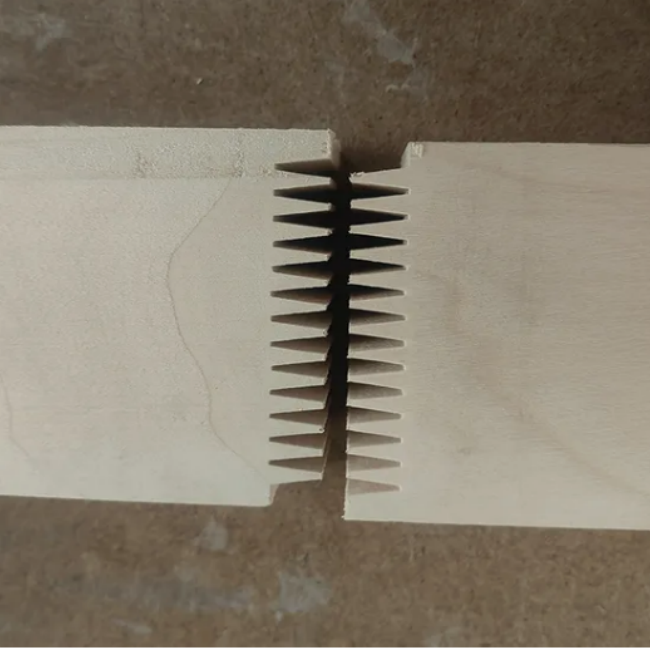
Before we delve into the cleaning process, it's essential to know what pine finger joint boards are. These boards are made by joining small pieces of pine wood together using a finger - joint technique. This method creates a strong and stable board while making use of smaller wood pieces that might otherwise go to waste. Pine, being a softwood, has a distinct grain pattern and color that can add warmth and character to any project.
Regular Dusting
The first step in cleaning pine finger joint boards is regular dusting. Dust can accumulate on the surface of the boards over time, dulling their finish and potentially scratching the wood if left unattended. To dust the boards, use a soft, dry cloth or a microfiber duster. Microfiber dusters are particularly effective as they can attract and hold onto dust particles, preventing them from spreading back onto the board.
Start by gently running the cloth or duster across the surface of the board in the direction of the wood grain. This helps to avoid scratching the wood and ensures that all the dust is removed. For hard - to - reach areas, such as corners or crevices, you can use a soft - bristled brush to dislodge the dust and then wipe it away with the cloth.

Cleaning Spills Immediately
Spills are inevitable, especially if the pine finger joint boards are used in areas like kitchens or dining rooms. It's crucial to clean up spills as soon as they occur to prevent staining and damage to the wood.
For water spills, simply blot the area with a clean, dry cloth until all the moisture is absorbed. Avoid rubbing the spill, as this can spread the liquid and potentially damage the finish. If the spill is a sticky substance like juice or syrup, first remove as much of the excess as possible with a spoon or a dull knife. Then, dampen a cloth with warm, soapy water (use a mild dish soap) and gently wipe the area. Rinse the cloth and wipe again to remove any soap residue. Finally, dry the area thoroughly with a clean, dry cloth.
Dealing with Stubborn Stains
Sometimes, spills can leave stubborn stains on pine finger joint boards. For light stains, you can try using a mixture of baking soda and water. Make a paste by combining equal parts of baking soda and water, and then apply the paste to the stained area. Gently rub the paste into the stain using a soft cloth or a sponge, following the direction of the wood grain. Let the paste sit on the stain for a few minutes before wiping it away with a damp cloth. Rinse the area with clean water and dry it thoroughly.
For more stubborn stains, such as ink or oil stains, you may need to use a specialized wood cleaner. Look for a wood cleaner that is specifically formulated for pine or softwoods. Before applying the cleaner to the entire stained area, test it on a small, inconspicuous area of the board to ensure that it doesn't cause any discoloration or damage. Follow the instructions on the cleaner's label carefully, and use a soft cloth or a sponge to apply the cleaner to the stain. After cleaning, rinse the area with clean water and dry it completely.
Using a Wood Polish
Periodically, it's a good idea to use a wood polish on the pine finger joint boards to protect the wood and enhance its natural beauty. Wood polish can help to nourish the wood, fill in minor scratches, and give the board a nice sheen.
Choose a wood polish that is suitable for pine. Apply the polish according to the manufacturer's instructions. Generally, you'll need to apply a small amount of polish to a soft cloth and then rub it onto the board in the direction of the wood grain. Use a circular motion to ensure even coverage. Let the polish sit for a few minutes to allow it to penetrate the wood, and then buff the board with a clean, dry cloth to remove any excess polish and bring out the shine.
Avoiding Harsh Chemicals
When cleaning pine finger joint boards, it's important to avoid using harsh chemicals. Chemicals such as bleach, ammonia, or abrasive cleaners can damage the wood's finish, strip away its natural oils, and cause discoloration. These chemicals can also be harmful to the environment and to your health.
Instead, stick to mild, natural cleaning solutions like warm, soapy water or specialized wood cleaners. If you're unsure about a particular cleaning product, always test it on a small area of the board first.
Protecting the Boards
In addition to regular cleaning, taking steps to protect the pine finger joint boards can help to extend their lifespan. Place coasters under glasses and cups to prevent water rings and scratches. Use placemats on dining tables to protect the boards from hot dishes and spills. If the boards are used in an area with high traffic or where they are likely to be bumped or scratched, consider using protective pads or guards on the edges and corners.
Other Types of Finger Joint Boards
If you're interested in exploring other types of finger joint boards, we also offer Standard Oak Finger Joint Board, AA Finger Joint Board Rubber Wood Furniture Tabletop Board, and Rubber Wood Finger Joint Boards. Each of these boards has its own unique characteristics and cleaning requirements, but the general principles of regular dusting, prompt spill cleaning, and avoiding harsh chemicals still apply.
Contact for Purchase
If you're in the market for high - quality pine finger joint boards or any of our other finger joint board products, we'd love to hear from you. Whether you're a furniture manufacturer, a contractor, or a DIY enthusiast, we can provide you with the boards you need at competitive prices. Contact us to start a purchase negotiation and discover how our pine finger joint boards can enhance your next project.
References
- "Wood Finishing: The Complete Guide" by Bob Flexner
- "The Woodworker's Companion" by Chris Schwarz
- Manufacturer's guidelines for pine finger joint boards