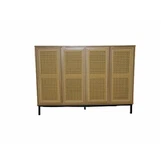
Hey there! As a tung wood board supplier, I've seen my fair share of stained tung wood boards. Tung wood, also known as Paulownia wood, is a popular choice for many applications like making Paulownia Coffin Board, Paulownia Furniture Parts, and Solid Wood Strips because of its lightweight, strong, and beautiful grain. But stains can really take away from its natural beauty. So, today I'm gonna share some tips on how to remove stains from tung wood board.
Understanding Tung Wood
First off, it's important to understand the characteristics of tung wood. Tung wood is relatively soft and porous compared to some other hardwoods. This means it can absorb liquids easily, which is great for taking on finishes but also makes it more prone to staining. Different types of stains require different removal methods, so let's break it down.
Common Types of Stains and Removal Methods
Water Stains
Water stains are probably the most common type of stain you'll encounter on tung wood. They usually look like white or grayish spots on the surface of the wood.
- Mild Water Stains: For mild water stains, you can try using a mixture of equal parts vinegar and water. Dampen a soft cloth with the solution and gently rub the stained area in the direction of the wood grain. Then, dry the area with a clean, dry cloth. This simple solution can often lift the stain right off.
- Severe Water Stains: If the water stain is more severe and has penetrated deeper into the wood, you might need to use a little more elbow grease. You can make a paste using baking soda and water. Apply the paste to the stained area and let it sit for about 15 - 20 minutes. Then, use a soft-bristled brush to gently scrub the area in the direction of the grain. Rinse the area with a damp cloth and dry it thoroughly.
Ink Stains
Ink stains can be a real pain to remove, but don't worry, there are a few methods that can work.
- Rubbing Alcohol: Moisten a cotton ball or soft cloth with rubbing alcohol. Dab the stained area gently, being careful not to rub too hard as this can damage the wood. As the ink starts to transfer to the cloth, keep changing to a clean part of the cloth until the stain is gone. Afterward, wipe the area with a damp cloth to remove any remaining alcohol and dry it.
- Toothpaste: Believe it or not, toothpaste can also be effective for removing ink stains. Apply a small amount of non - gel toothpaste to the stain and rub it in gently with a soft cloth. Rinse the area with water and dry it.
Grease and Oil Stains
Grease and oil stains are common, especially in areas where food is prepared or where there's a lot of handling.
- Baking Soda and Dish Soap: Mix a tablespoon of baking soda with a few drops of dish soap and enough water to make a paste. Apply the paste to the stain and let it sit for about 30 minutes. Then, use a soft brush to scrub the area in the direction of the grain. Rinse the area with water and dry it.
- Cornstarch: For fresh grease stains, you can sprinkle cornstarch on the stain and let it sit for a few hours. The cornstarch will absorb the grease. Then, brush off the cornstarch and wipe the area clean.
Rust Stains
Rust stains can be caused by metal objects coming into contact with the wood.


- Lemon Juice and Salt: Make a paste using lemon juice and salt. Apply the paste to the rust stain and let it sit in the sun for a few hours. The acid in the lemon juice will help dissolve the rust. Afterward, rinse the area with water and dry it.
- Commercial Rust Removers: If the lemon juice and salt method doesn't work, you can try using a commercial rust remover. Follow the instructions on the product carefully and make sure to test it on a small, inconspicuous area first.
Precautions When Removing Stains
- Test First: Before applying any cleaning solution to the entire stained area, always test it on a small, hidden part of the tung wood board. This will help you make sure that the solution doesn't damage the wood or the finish.
- Follow the Grain: When scrubbing or rubbing the wood, always go in the direction of the grain. This will prevent scratching and keep the wood looking its best.
- Protect Yourself: Wear gloves when using cleaning solutions, especially those that contain chemicals like rubbing alcohol or commercial rust removers.
Aftercare
Once you've removed the stain, it's important to take care of the tung wood board to prevent future staining.
- Apply a Finish: Consider applying a protective finish like a varnish, oil, or wax to the wood. This will create a barrier that makes it harder for stains to penetrate the wood.
- Clean Regularly: Regular cleaning with a mild wood cleaner can help keep the wood looking great and prevent stains from setting in.
Conclusion
Removing stains from tung wood board doesn't have to be a nightmare. With the right methods and a little patience, you can restore your tung wood board to its former glory. Whether you're using tung wood for Paulownia Coffin Board, Paulownia Furniture Parts, or Solid Wood Strips, these tips will come in handy.
If you're in the market for high - quality tung wood boards, we're here to help. Whether you need them for a small DIY project or a large - scale manufacturing job, we've got the right products for you. Feel free to reach out and start a conversation about your procurement needs. We're always happy to assist you in finding the perfect tung wood solution.
References
- "Wood Finishing: A Complete Guide to Choosing, Applying, and Maintaining Finishes", by Bob Flexner
- "The Woodworker's Companion: Tools, Techniques, and Tricks of the Trade", by Chris Schwarz