Hey there! As a cutting board supplier, I often get asked about the materials used to make cutting boards. Well, there's a wide range of options out there, each with its own unique features and benefits. In this blog post, I'm gonna break down some of the most common materials so you can make an informed decision when choosing a cutting board.
Wood
Wood is one of the oldest and most popular materials for cutting boards, and for good reason. It's natural, durable, and has a warm, inviting look. There are several types of wood used in cutting board production, each with its own characteristics.
Pine
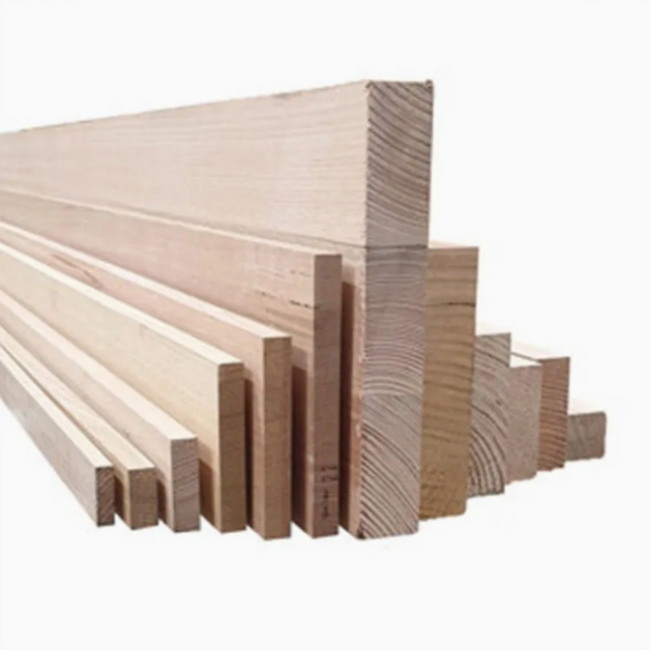
Pine is a softwood that's commonly used in cutting boards. It's relatively inexpensive and has a light color and a straight grain. One of the benefits of pine is that it's easy to work with, which means you can get custom - made cutting boards in various shapes and sizes. For example, our 18mm Custom AA Grade Pine Wood Finger Joint Board is a great option. It's made from high - quality pine and features a finger - joint construction that adds strength and durability. Pine is also a renewable resource, so it's an eco - friendly choice. However, pine is a softwood, which means it can scratch more easily compared to hardwoods.
Red Oak
Red oak is a hardwood that's known for its strength and durability. It has a distinctive grain pattern and a rich, warm color. Our Solid Red Oak Edge Guled Boards are made from solid red oak and are built to last. Red oak is resistant to wear and tear, making it a great choice for heavy - duty cutting tasks. It's also relatively easy to clean, although it's important to oil it regularly to keep it in good condition. The downside of red oak is that it can be a bit more expensive than some other woods.
White Pine
White pine is another softwood option. It has a lighter color than red oak and a more uniform grain. Our High Quality Solid White Pine cutting boards are made from top - notch white pine. White pine is gentle on knives, which is a big plus. It's also less likely to absorb odors and stains compared to some other woods. But like other softwoods, it may not be as resistant to scratches as hardwoods.
Plastic
Plastic cutting boards are a popular choice in many kitchens, especially in commercial settings. They are lightweight, inexpensive, and easy to clean. Plastic cutting boards come in a variety of colors, which can be useful for color - coding different types of food to prevent cross - contamination. For example, you can use a green cutting board for vegetables and a red one for meat.
One of the main advantages of plastic cutting boards is that they are dishwasher - safe, which makes cleaning a breeze. They are also resistant to bacteria, although it's still important to clean them regularly. However, plastic cutting boards can scratch easily, and over time, those scratches can harbor bacteria. Also, some lower - quality plastics may contain harmful chemicals, so it's important to choose a high - quality plastic cutting board.
Bamboo
Bamboo is often considered a sustainable alternative to wood. It grows very quickly, which means it can be harvested more frequently without depleting natural resources. Bamboo cutting boards are strong, lightweight, and have a beautiful, natural look.
They are also resistant to moisture and bacteria, making them a hygienic choice. Bamboo is relatively hard, so it can withstand a lot of cutting and chopping. However, bamboo cutting boards can dry out and crack if they are not properly cared for. It's important to oil them occasionally to keep them in good condition.
Glass
Glass cutting boards are sleek and modern. They are easy to clean and are resistant to scratches and stains. Glass cutting boards also don't absorb odors or bacteria, which makes them a hygienic option.
However, glass is very hard, which means it can dull your knives quickly. Also, glass cutting boards can be heavy and breakable, so you need to handle them with care. They are not the best choice for heavy - duty cutting tasks.
Composite Materials
Composite materials are made by combining different materials, such as wood fibers and resin. These cutting boards offer the best of both worlds in some cases. They can be as strong as hardwoods and as easy to clean as plastics.
Composite cutting boards are often resistant to scratches, stains, and bacteria. They can also be designed to have a natural look, similar to wood. However, composite materials can be more expensive than some of the other options.
Stone
Stone cutting boards, such as marble or granite, are very durable and have a luxurious look. They are heat - resistant, which means you can use them for tasks like chopping hot peppers or cutting cheese that has been left out to warm up.
But like glass, stone is very hard and can dull your knives quickly. Stone cutting boards are also heavy and can be difficult to move around. They are more suitable for display and light cutting tasks rather than heavy - duty chopping.
So, which material is the best for you? Well, it depends on your needs and preferences. If you're a professional chef or do a lot of heavy - duty cutting, a hardwood like red oak might be the way to go. If you're on a budget and want something easy to clean, a plastic cutting board could be a good option. If you're environmentally conscious, bamboo or pine might be your choice.

If you're interested in purchasing any of our cutting boards or have questions about the materials, feel free to reach out to us for a procurement discussion. We're here to help you find the perfect cutting board for your kitchen.
References
- "The Ultimate Guide to Cutting Boards" by Cook's Illustrated
- "Kitchen Basics: Choosing the Right Cutting Board" by Food & Wine Magazine
- "Materials and Their Properties" by various wood and material science textbooks