Yo! I'm a board supplier, and today I wanna chat about what materials are used to make a snowboard core. The core of a snowboard is like its heart - it plays a huge role in how the board performs, feels, and lasts. So, let's dig into the different materials that are commonly used to craft these cores.
Wood
Wood is hands - down the most popular material for snowboard cores, and for good reasons. It's natural, lightweight, and has great flex properties. Different types of wood bring different characteristics to the table.
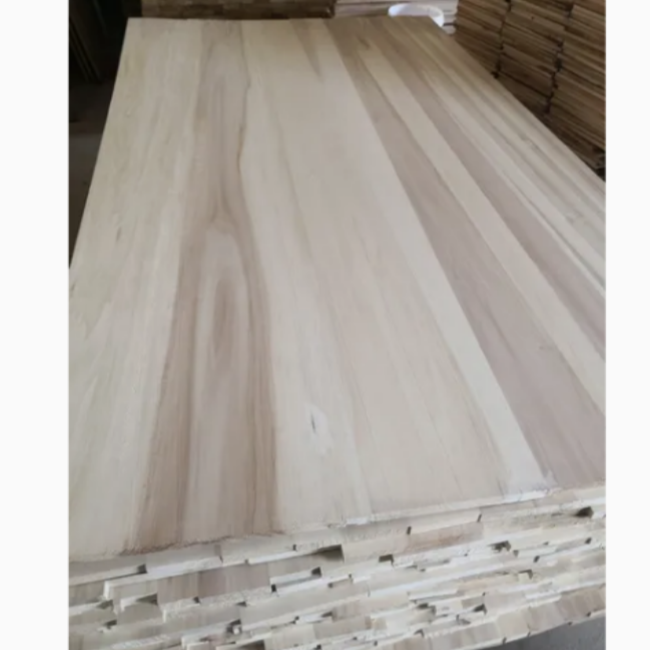
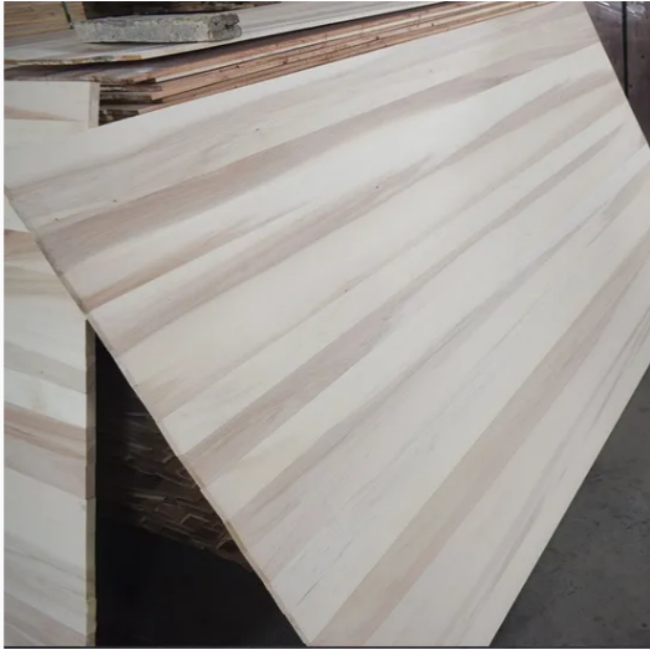
Poplar
Poplar is a common choice in snowboard cores. It's relatively soft, which gives the snowboard a forgiving flex. This means it's easier for beginners to control as the board can bend more easily under their weight and movements. Poplar also has a good strength - to - weight ratio. It's not too heavy, so the snowboard remains agile. If you're interested in poplar wooden boards, you can check out Poplar Wooden Boards.
Pine
Pine is another well - known wood for snowboard cores. It's a bit stiffer than poplar, which can provide more stability at high speeds. Pine cores are often found in snowboards designed for more advanced riders who need that extra stiffness for aggressive turns and high - speed descents. 18mm Pine Timber Wood is a great option if you're thinking about using pine in your snowboard core.
Solid Wood Non - Lacquer Poplar
This type of poplar is special because it's solid and doesn't have a lacquer coating. It retains the natural properties of the wood, which can give the snowboard a more organic feel. The lack of lacquer also means that the wood can breathe a bit more, potentially extending the life of the core. Check out Solid Wood Non - Lacquer Poplar for more details.
Foam
Foam is also used in snowboard cores, especially in combination with wood. There are different types of foam, each with its own benefits.
Expanded Polystyrene (EPS)
EPS foam is lightweight and has good shock - absorbing properties. It can help reduce the weight of the snowboard without sacrificing too much strength. Snowboards with EPS foam cores are often more affordable and are a good choice for recreational riders. The foam can also be shaped easily, allowing for more complex core designs.
Polyurethane (PU) Foam
PU foam is a bit denser than EPS foam. It offers better energy transfer, which means that when you make a turn or a jump, the board can respond more quickly. PU foam cores are commonly found in high - performance snowboards, as they can handle the demands of aggressive riding.
Composite Materials
Composite materials are becoming more and more popular in snowboard core construction. They combine different materials to get the best of both worlds.
Carbon Fiber
Carbon fiber is incredibly strong and lightweight. When used in a snowboard core, it can add a lot of stiffness and responsiveness. Snowboards with carbon fiber cores are often used by professional riders who need the highest level of performance. However, carbon fiber can be quite expensive, so it's usually used in combination with other materials to keep the cost down.
Fiberglass
Fiberglass is a more affordable alternative to carbon fiber. It's strong and flexible, and it can help distribute the load evenly across the snowboard. Fiberglass is often used in the outer layers of the core to reinforce it and improve its durability.
How These Materials Affect Snowboard Performance
The choice of core material can have a huge impact on how a snowboard performs.
Flex
As I mentioned earlier, the type of wood or foam used in the core affects the flex of the snowboard. A softer core, like one made of poplar or EPS foam, will be more forgiving and easier to bend. This is great for beginners or riders who prefer a more relaxed style of riding. A stiffer core, such as one with pine or carbon fiber, will be more responsive and better for high - speed and aggressive riding.
Weight
The weight of the core material also matters. Lighter materials, like EPS foam or some types of wood, make the snowboard easier to carry and maneuver. This is especially important for riders who do a lot of hiking or park riding, where they need to be able to move the board around quickly. Heavier materials, like some composite materials, can provide more stability but may be a bit more cumbersome.
Durability
The durability of the core material is crucial. Wood cores can last a long time if they're properly maintained, but they can be susceptible to water damage. Foam cores are generally more resistant to water, but they may not be as strong as wood or composite cores. Composite materials, especially those with carbon fiber or fiberglass, are often the most durable, but they can also be more expensive to repair if they get damaged.
Why Choose Our Board Supplier?
As a board supplier, we've got a wide range of materials for snowboard cores. Whether you're looking for the classic poplar or pine wood, high - performance carbon fiber, or budget - friendly EPS foam, we've got you covered. We source our materials from reliable suppliers and make sure that they meet the highest quality standards.
We also understand that every rider is different, and that's why we offer customization options. You can choose the core material, the flex, and other features to create a snowboard that's perfect for you.
If you're interested in learning more about our snowboard core materials or if you want to start a procurement discussion, don't hesitate to reach out. We're here to help you get the best snowboard for your needs.
References
- Snowboard Industry Journal
- Snow Sports Equipment Manufacturer's Handbook
So, that's a wrap on the materials used to make a snowboard core. I hope this blog has given you a better understanding of what goes into these amazing boards. If you've got any questions or want to chat more about snowboard cores, just drop me a line!